
Workbench
14 videos
Workbench Overview
An introduction to the RevWorks Workbench — your configurable analytics workspace for inspecting, analyzing, and exporting forecast data.
Forecast Deep Dive
How to drill into forecast data in the Workbench — AI insights, category breakdowns, trends, adjustments, and submission history.
Drill-Down Opportunity Lists
How to drill down from forecast data to the underlying opportunities — inline editing, change indicators, activity tracking, and flow analysis.

Opportunity Detail Panel
How to use the opportunity side panel to view AI insights, deal history, activity timeline, sales methodology, and product details.
Exporting From a View
How to export forecast data from a Workbench view — top level, direct reports, or full hierarchy — as a CSV file.
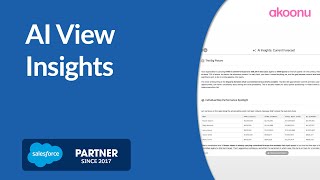
AI View Insights
How to generate AI-powered insights from your Workbench view data — scoped to top level, direct reports, or the full team.
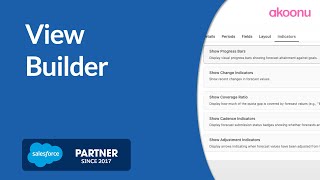
View Builder
How to create and edit Workbench views — selecting forecasting types, configuring periods and fields, and saving views.
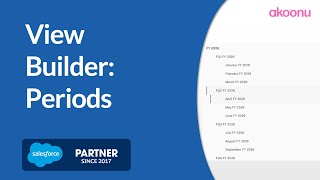
View Builder: Periods
How to configure which periods appear in a Workbench view — presets, custom selections, and mixing months, quarters, and years.
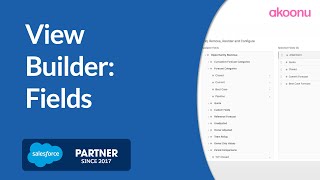
View Builder: Fields
The full range of fields available in Workbench views — forecast categories, custom data, unadjusted values, comparisons, formulas, and time offsets.
Layout Options & Indicators
How to configure Workbench view layouts — standard vs. stacked, total columns, grouping display — and visual indicators like progress bars, change markers, and coverage ratios.
Saved & Shared Views
How to save Workbench views and share them with individuals, groups, or roles in your Salesforce org.
Formula Library
How to use the prebuilt formula library in Workbench — adding, reviewing, and customizing formula fields for your views.
Formula Editor
How to create custom formulas in Workbench — using forecast fields, operators, functions, and custom data to build calculations.
History & Time-Based Data
How to view historical forecast data in Workbench — the as-of date feature, time-offset fields, and using time offsets in formulas for trend analysis.